
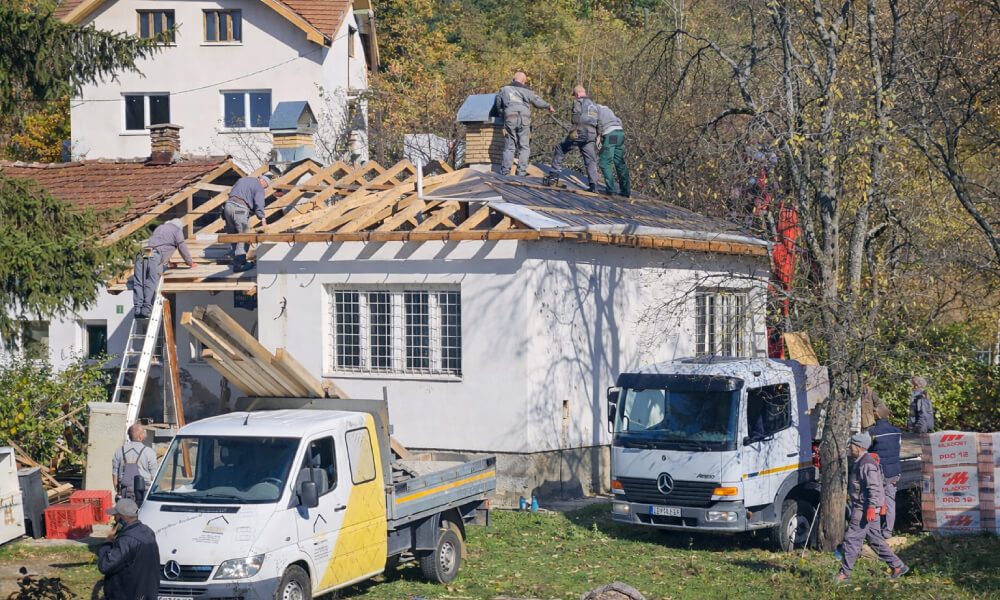
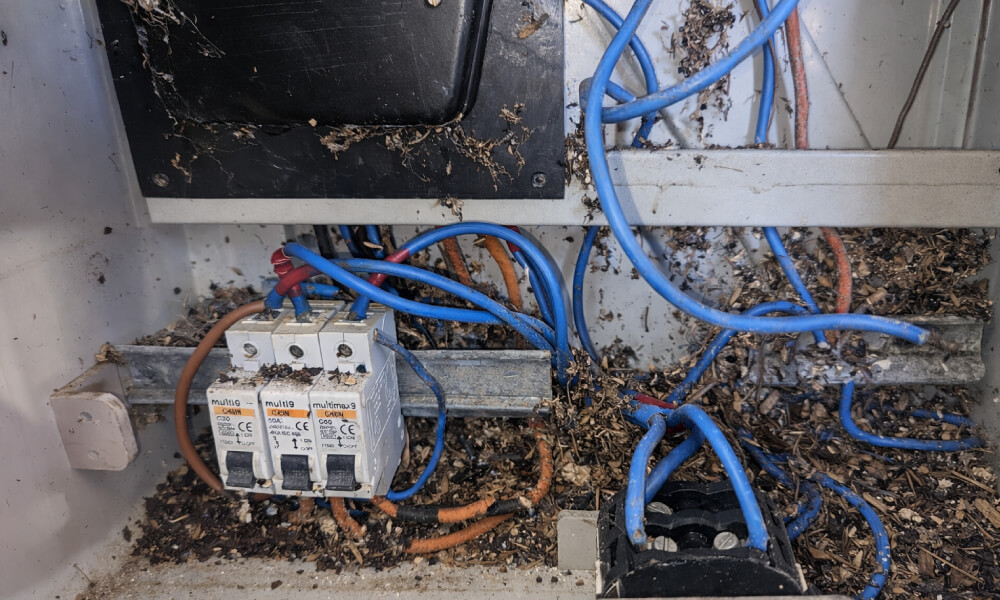
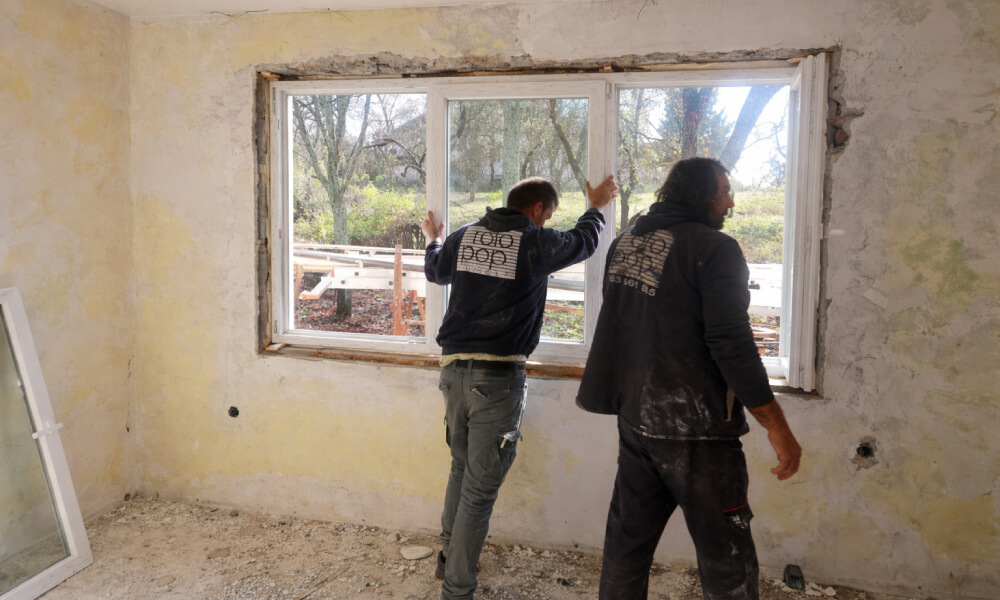
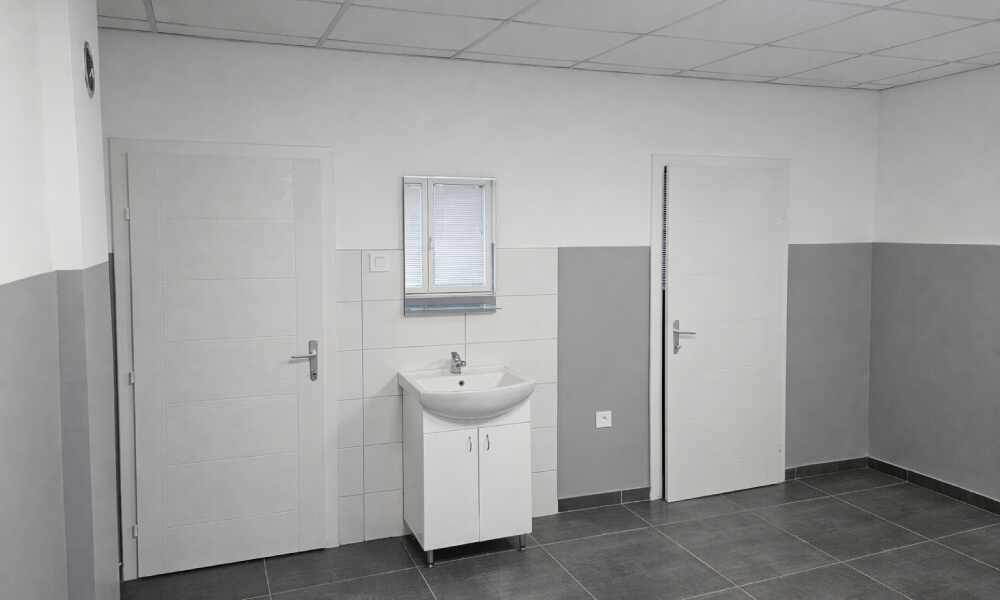
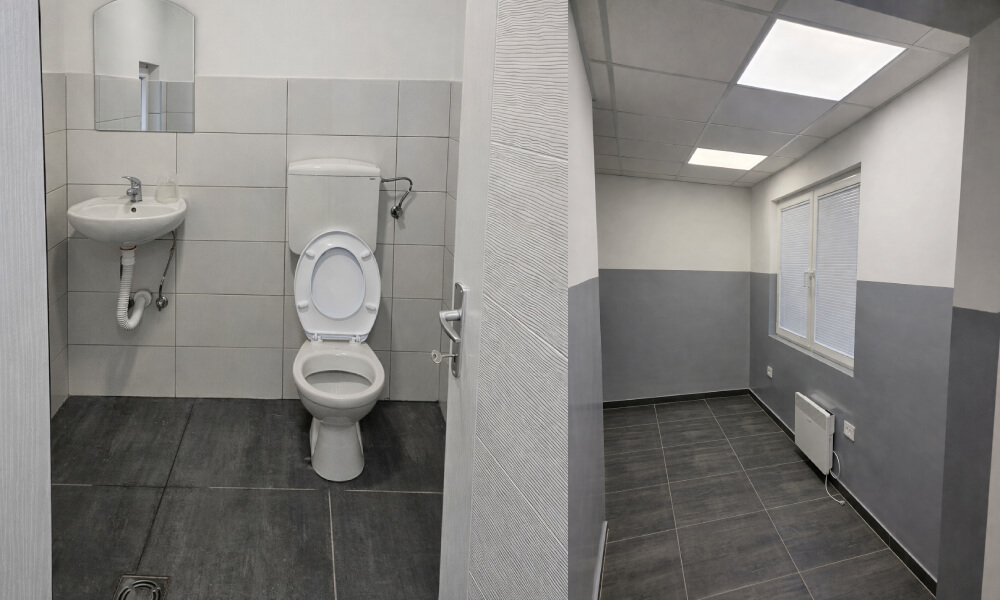
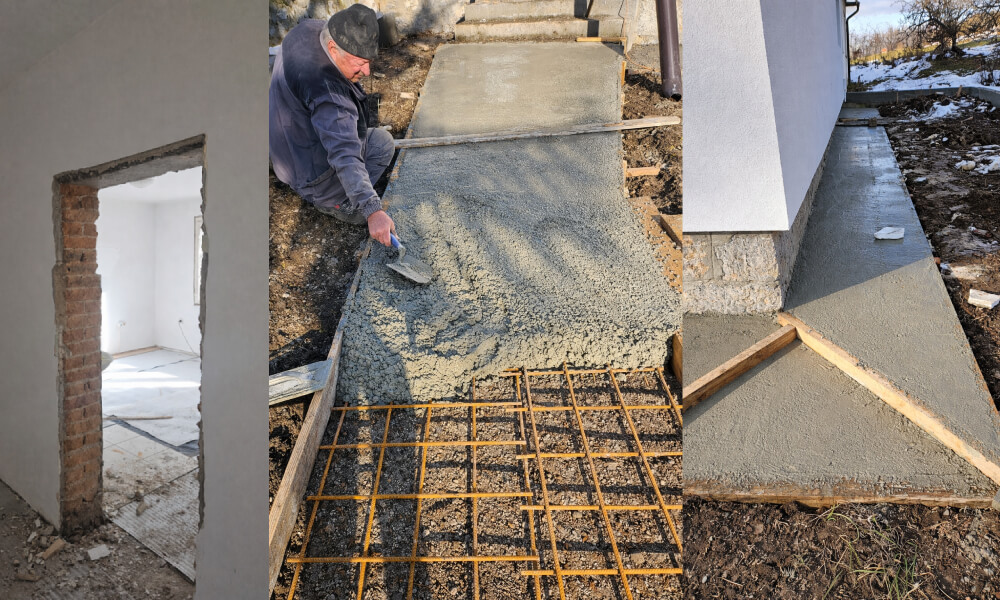
The outpatient clinic in Stapari has been fully renovated from floor to roof, transforming an aging and inadequate facility into a modern, safe, and functional health center for the local population. This donation was initiated by Branko Palikuća, with funds raised during the Chicago Fundraiser 2025 at Topaz Cafe, reflecting the strength of community-driven philanthropy and diaspora engagement.
Why Stapari Matters
Stapari holds historical and cultural significance in this part of western Serbia and serves as a hub for several surrounding hamlets scattered across a mountainous and sparsely populated region. Like many rural areas in Serbia, Stepara faces long travel distances to secondary and tertiary medical centers, challenging winter conditions, and an aging population—all of which make access to local primary care critically important.
Epidemiology & Local Health Needs
Rural, mountainous regions of western Serbia have a higher proportion of elderly residents and a greater burden of chronic disease, including cardiovascular disease, hypertension, diabetes, chronic respiratory illness, and degenerative musculoskeletal conditions. Limited transportation and geography often delay care, leading to preventable complications. Accessible, well-equipped primary care clinics are essential for early diagnosis, chronic disease management, vaccination, maternal and child health, and urgent first-line medical evaluation.
Impact of the Renovation
The complete remodeling of the Stapari outpatient clinic means:
- Safe, modern infrastructure with renewed floors, walls, roofing, heating, plumbing, and sanitation
- Improved working conditions for medical staff, enabling better retention and morale
- Reliable year-round access to healthcare, even during harsh winter months
- Reduced need for travel to Užice or more distant centers for basic medical services
- Earlier intervention and prevention, especially for chronic and age-related illnesses
What This Means for the Community
For the people of Stapari and neighboring villages, this clinic is more than a building—it is security, dignity, and continuity of care. It allows elderly residents to receive medical attention close to home, families to access preventive and primary services, and the entire community to remain viable despite geographic and demographic challenges. In a mountainous region where distance can be a barrier to health, this renewed outpatient center represents stability, resilience, and hope.
This project stands as a powerful example of how targeted investment in rural healthcare infrastructure can have a lasting, measurable impact on population health and quality of life.
 English
  Serbian